Reading time: 5 minutes, PDF version available: DOWNLOAD PDF
WHAT UVLON™ IS, THE BENEFITS IT OFFERS, AND WHY IT WILL BECOME A STANDARD OF SAFETY AND QUALITY FOR UV-C SYSTEMS
In the food, pharmaceutical and medical sectors—and more broadly in air treatment—UV-C technology has become a key solution for ensuring process safety and hygiene.
Designed to become the new standard for UV-C applications, UVLON is a heat-shrink protective sleeve applied directly to the glass of our UV-C lamps, combining strength, reliability and performance.
In this article, we explain what UVLON is and the benefits it delivers.
WHAT IS UVLON
Designed to become the new standard for UV-C applications, UVLON is a heat-shrink protective sleeve applied directly to the glass of our UV-C lamps, combining strength, reliability and performance.
In this article, we explain what UVLON is and the benefits it delivers.
WHAT IS UVLON
UVLONTM is a protective sleeve made of FEP (Fluorinated Ethylene Propylene), developed and registered by Light Progress for UV-C lamp protection.
FEP is an inert, transparent fluoropolymer approved for food contact according to FDA regulations, making it suitable for applications in the food, pharmaceutical and medical sectors.
The sleeve allows high UV-C wavelength transmission, preserving treatment effectiveness without compromising system safety.
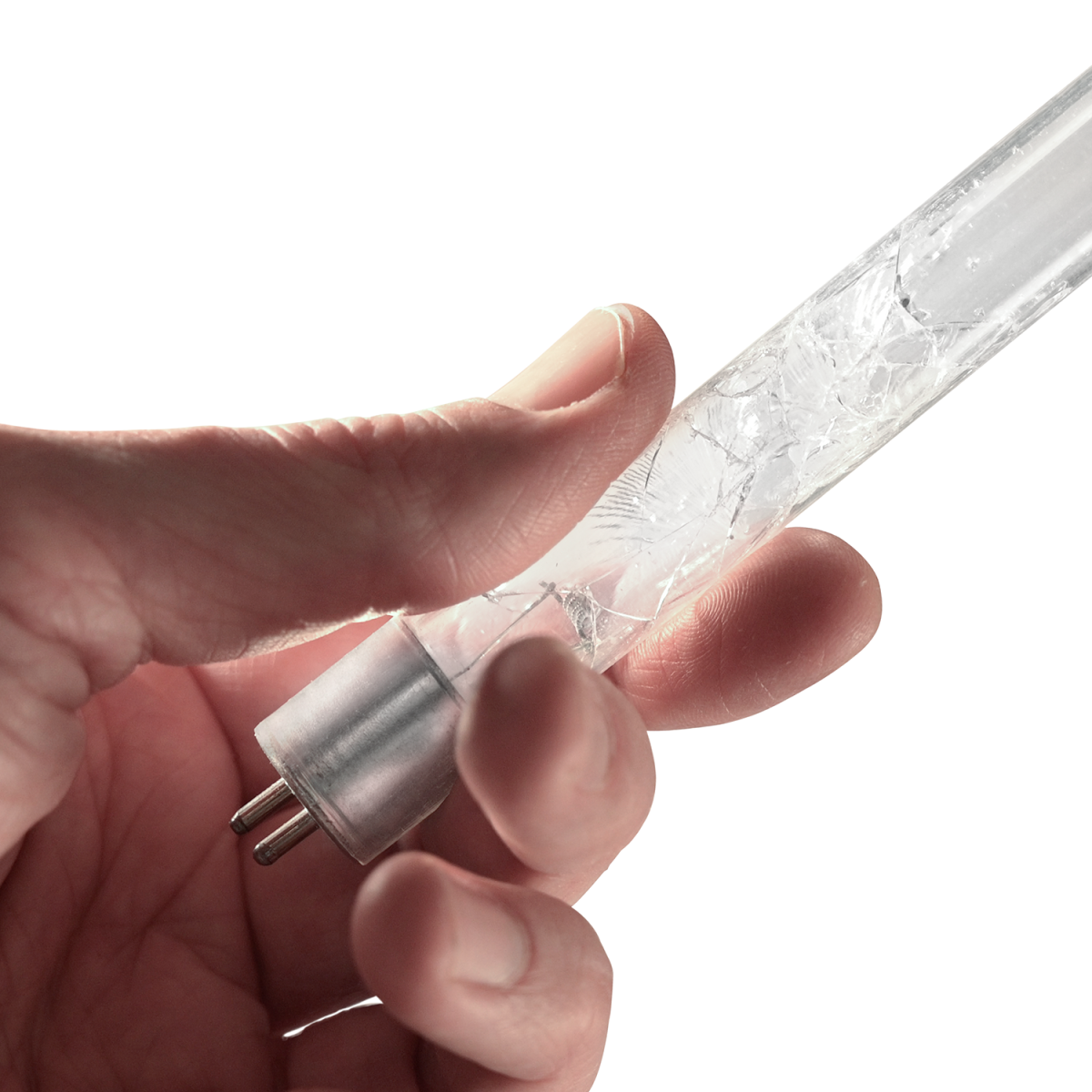
The FEP coating makes lamps safer to handle, allowing bare-hand contact during installation and maintenance, while providing a smooth surface that is easy to clean and resistant to aggressive and chemically demanding environments.
UVLON also protects lamps from thermal fluctuations, particularly low temperatures, helping maintain optimal performance and improving overall operational reliability.
To ensure uniform and controlled application, Light Progress has developed a proprietary automated machine that performs fully mechanized and precise heat-shrinking. This exclusive process increases protection robustness and makes Light Progress lamps a global benchmark for reliability and durability.
In UV-C systems, preventing lamp breakage is not optional—it is a prerequisite for safe operation.
FEP is an inert, transparent fluoropolymer approved for food contact according to FDA regulations, making it suitable for applications in the food, pharmaceutical and medical sectors.
The sleeve allows high UV-C wavelength transmission, preserving treatment effectiveness without compromising system safety.
The FEP coating makes lamps safer to handle, allowing bare-hand contact during installation and maintenance, while providing a smooth surface that is easy to clean and resistant to aggressive and chemically demanding environments.
UVLON also protects lamps from thermal fluctuations, particularly low temperatures, helping maintain optimal performance and improving overall operational reliability.
To ensure uniform and controlled application, Light Progress has developed a proprietary automated machine that performs fully mechanized and precise heat-shrinking. This exclusive process increases protection robustness and makes Light Progress lamps a global benchmark for reliability and durability.
In UV-C systems, preventing lamp breakage is not optional—it is a prerequisite for safe operation.
.png)
THE ADVANTAGES – ROI, efficiency and compliance
Lower costs, greater continuity
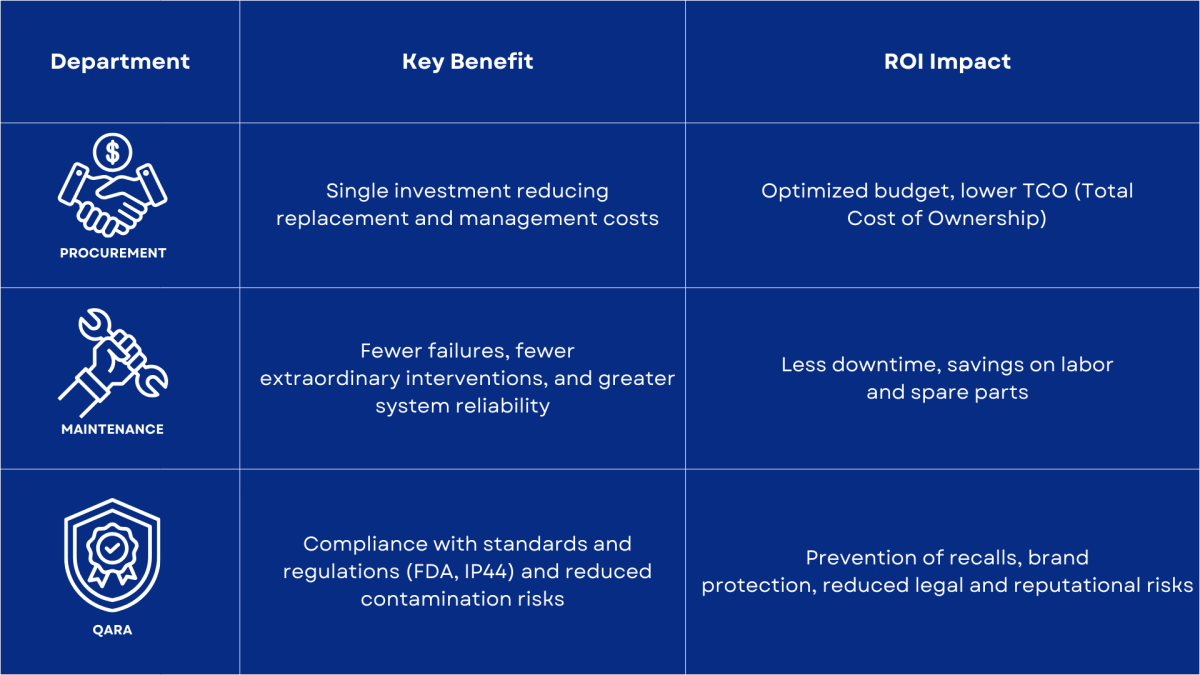
By protecting the lamp, UVLON reduces breakage, replacements and downtime. The result is longer lamp life and an immediate return on investment.
Uninterrupted production
In the event of breakage, the sleeve contains glass fragments and prevents contamination, rejects and line shutdowns—an essential requirement in regulated sectors such as food, pharmaceutical, medical and HVAC.
Compliance and brand protection
UVLON supports compliance with international standards (FDA, IP44) and reduces the risk of non-compliance, product recalls and legal disputes, directly protecting brand reputation.
Reliable performance in harsh environments
The FEP sleeve resists wear, aggressive chemicals and demanding operating conditions, ensuring consistent performance and reducing unplanned maintenance.
Benefits by department:
By protecting the lamp, UVLON reduces breakage, replacements and downtime. The result is longer lamp life and an immediate return on investment.
Uninterrupted production
In the event of breakage, the sleeve contains glass fragments and prevents contamination, rejects and line shutdowns—an essential requirement in regulated sectors such as food, pharmaceutical, medical and HVAC.
Compliance and brand protection
UVLON supports compliance with international standards (FDA, IP44) and reduces the risk of non-compliance, product recalls and legal disputes, directly protecting brand reputation.
Reliable performance in harsh environments
The FEP sleeve resists wear, aggressive chemicals and demanding operating conditions, ensuring consistent performance and reducing unplanned maintenance.
Benefits by department:
AN OPTION TODAY, A STANDARD TOMORROW
At present, UVLON is offered as an optional accessory, available together with UV systems. However, for several applications in the food, pharmaceutical, medical, and HVAC/air conditioning sectors, Light Progress already supplies UV-C lamps with UVLON® protection as the default configuration. From 2026, this option will become standard: UVLON® will no longer be an accessory, but an essential and integrated component of our solutions.
REGULATIONS AND RESPONSIBILITY
UVLON makes UV-C lamps safer to handle, install and clean. Unlike bare glass, the protective sleeve allows bare-hand handling and effective cleaning, even with chemical agents.
For machine manufacturers, this means more robust and easier-to-integrate solutions.
For end users, it means greater safety, reduced maintenance and higher operational reliability.
ACCURACY IN PERFORMANCE CALCULATIONS
For machine manufacturers, this means more robust and easier-to-integrate solutions.
For end users, it means greater safety, reduced maintenance and higher operational reliability.
ACCURACY IN PERFORMANCE CALCULATIONS
It is important to note that our microbial inactivation calculations and UV-C system performance software already take the use of UVLON into account.
As a result, efficacy values remain unchanged and fully reliable.
Integrating UVLON as a standard adds value and eliminates risk.
Download the official UVLON declaration: a signed reference document providing certified and reliable information.
For further technical details, personalized consultancy, or to speak directly with our technical department, please contact us at info@lightprogress.it
As a result, efficacy values remain unchanged and fully reliable.
Integrating UVLON as a standard adds value and eliminates risk.
Download the official UVLON declaration: a signed reference document providing certified and reliable information.
For further technical details, personalized consultancy, or to speak directly with our technical department, please contact us at info@lightprogress.it
We will be glad to support you in choosing the solution that best fits your needs.
Copyright by LIGHT PROGRESS Srl - Anghiari - Italy - www.lightprogress.it